

Meilleur Serveur pour 10 machines virtuelles for France
Un serveur de virtualisation équilibré qui exécute confortablement 10 VM, des conteneurs et des environnements de test. Prices and availability for France.
Besoins vs ce build
besoin · utilisé| Threads CPU | 14 | 70% | OK |
|---|---|---|---|
| RAM | 96 GB | 75% | OK |
| Stockage | 3 TB | 63% | OK |
| GPU | Inutile |
Consommation
- Utilisation
- 24/7
- Au repos
- 46 W
- Typique
- 69 W
- Pointe
- 123 W
- Énergie / an
- ≈ €151
- Sur 3 ans
- ≈ €452
Score
Pourquoi cette variante
Balances your priorities with a 1807€ price tag and a 46W idle draw.
- Not specialized: it does not push any single dimension (value, silence, expansion) to the extreme.
- Intel® Core™ i7 Desktop Processor 14700F 20 Cores (8 P-cores and 12 E-cores) up to 5.4 GHz: 20 cores / 28 threads covers the 14 cores needed with headroom.
- Motherboard Intel B760 (LGA 1700): matches the CPU socket and case size.
- RAM: 128GB DDR5,DDR4 — meets the 96GB the workload requires.
- All variants are close; the winner matches your priorities best.
Avant d'acheter
1 critiques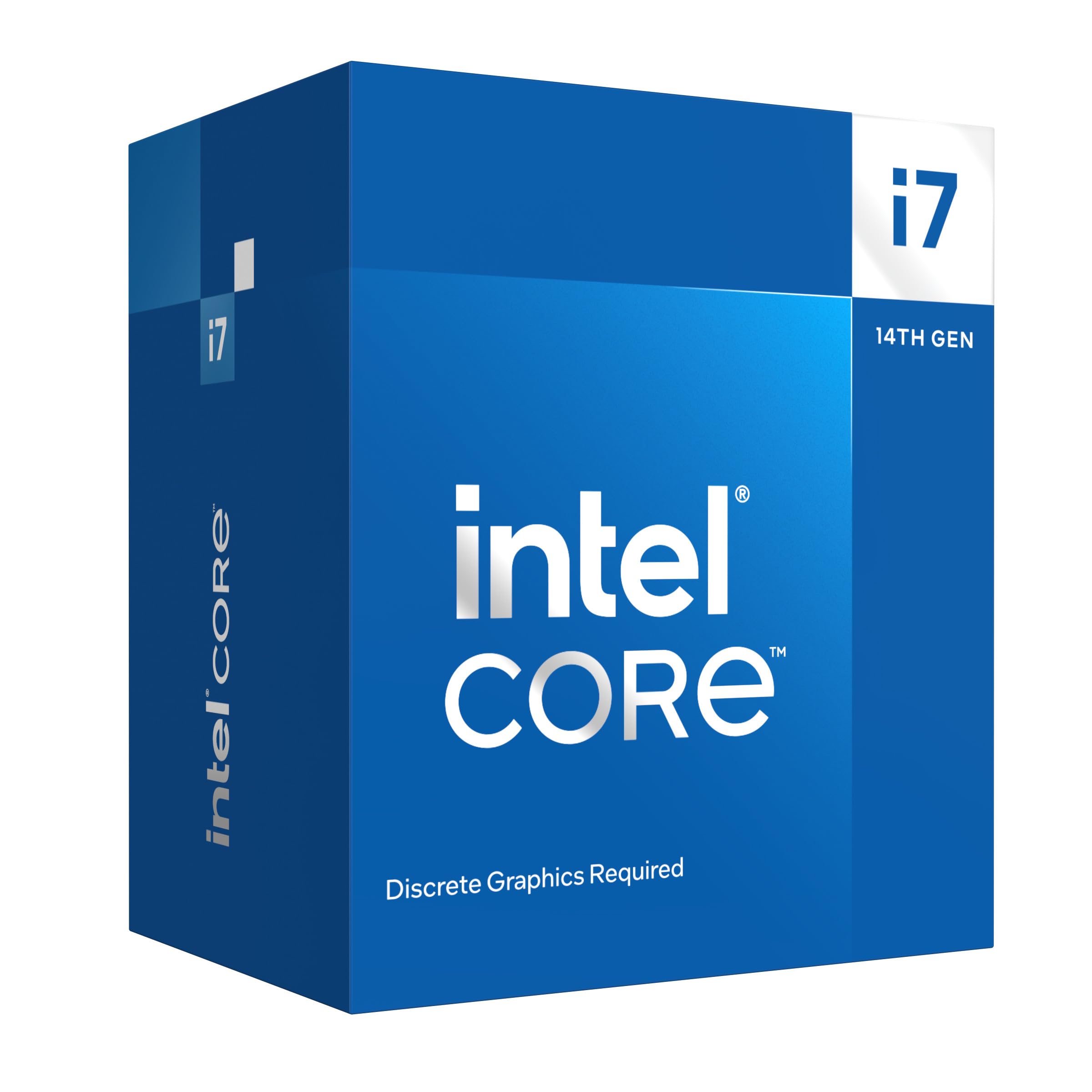 cpuIntel® Core™ i7 Desktop Processor 14700F 20 Cores (8 P-cores and 12 E-cores) up to 5.4 GHz20C/28T · 5.4 GHz · LGA 1700 · 65 WAlternatives et remplacement€317Recherche des prix…
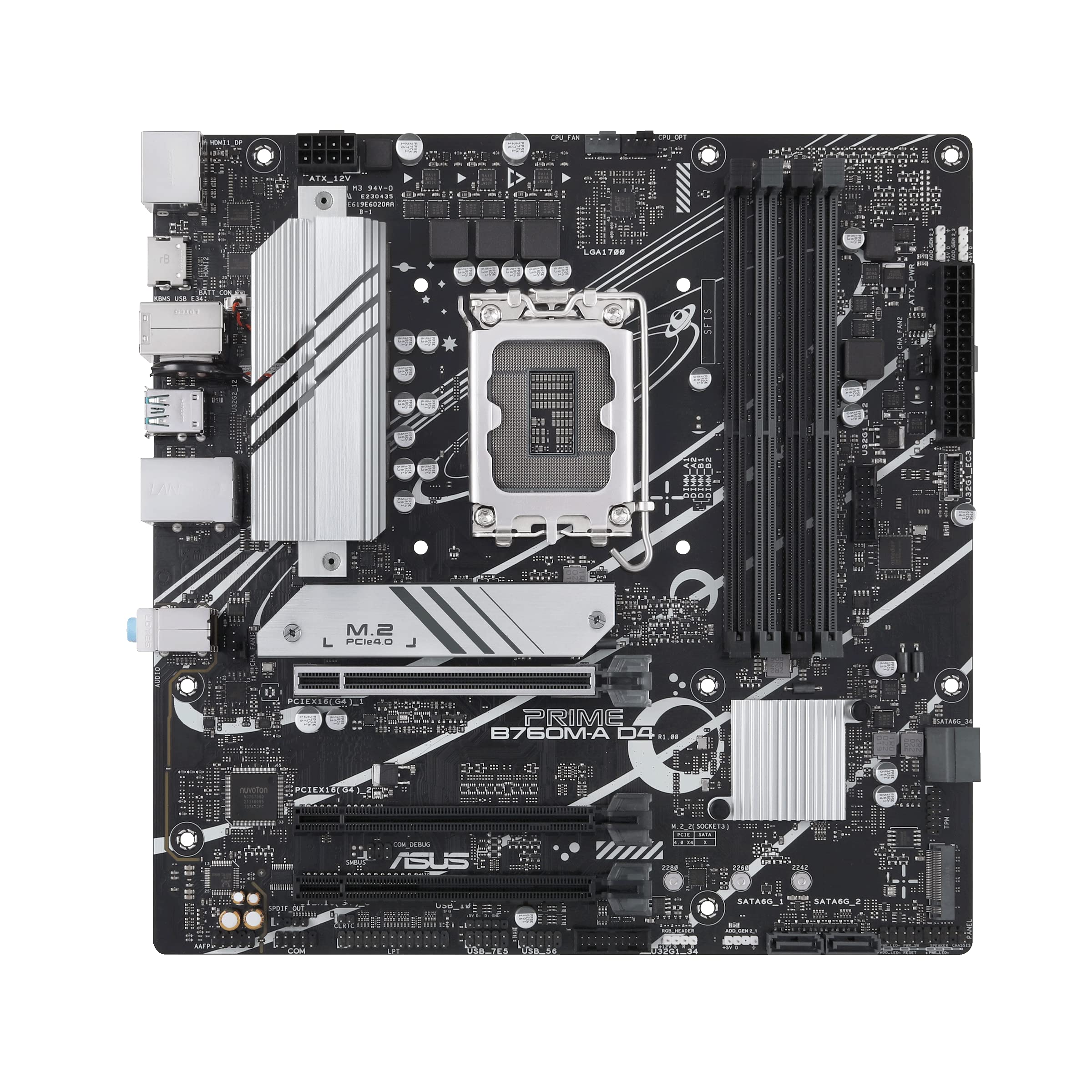 €113Recherche des prix…
 ramG.Skill Trident Z Royal Silver DDR4-3200 CL14 128GB (4x32GB)128 GB DDR4 · 3200 MT/sAlternatives et remplacement≈ €883Recherche des prix…
 €27Recherche des prix…
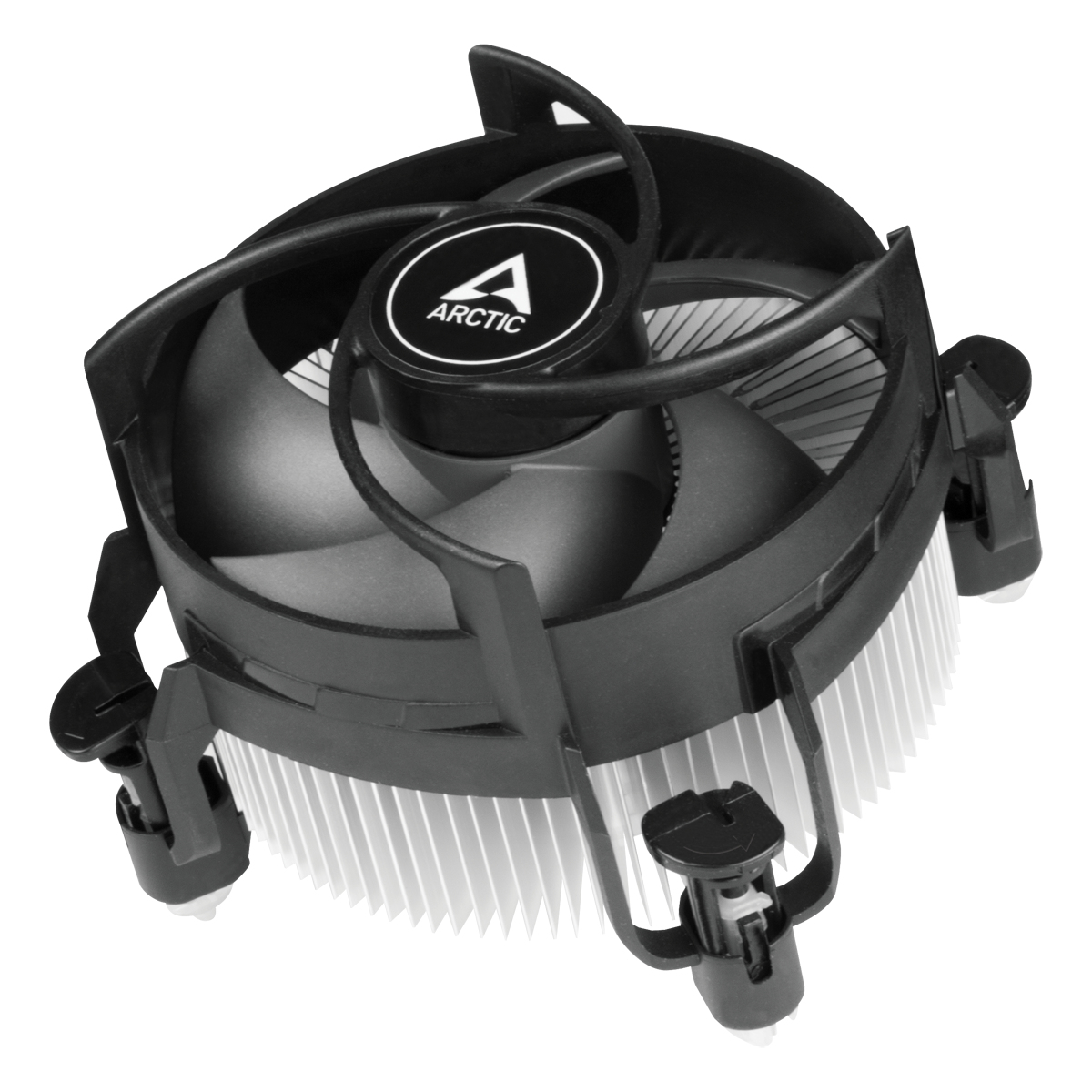 €8Recherche des prix…
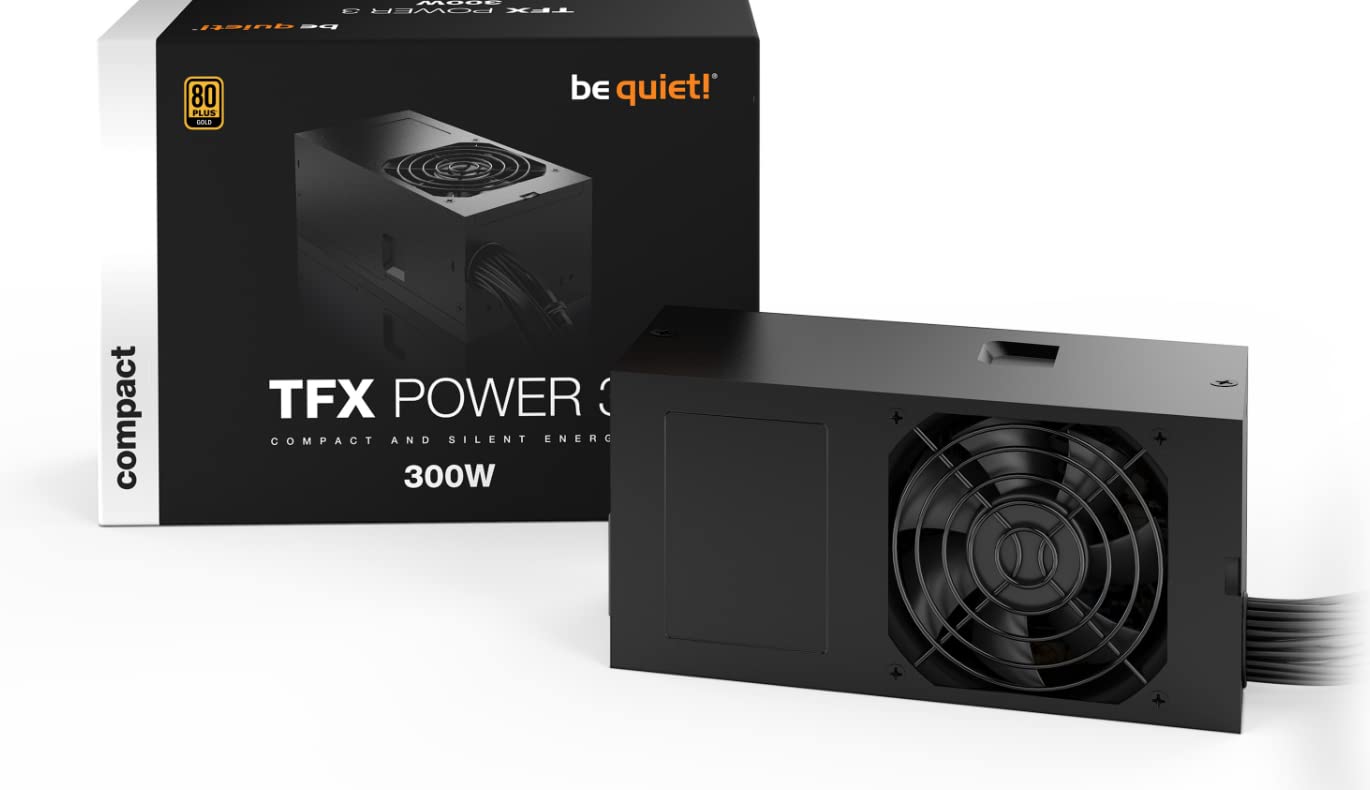 psube quiet! TFX Power 3 Black TFX 300W Non-Modular 80+ Gold Certified300 W · goldAlternatives et remplacement€45Recherche des prix…
 storageWestern Digital WD Blue SN5000 4TB SSD M.2-2280 PCIe 4.0 x4 NVMeNVME · 4 TBAlternatives et remplacement€414Recherche des prix…
Score de pérennité
Pérennité équilibrée69/100
Balanced future-proofing (69/100) — it covers today's workload with some room, but one or two factors will push you to upgrade sooner.
DIY build — the CPU, motherboard and PSU can each be upgraded independently without replacing the whole system.
Expansion headroom: 2 PCIe slot(s), 1 M.2, 4 SATA, 1 drive bay(s), 0 RAM slot(s) free.
Storage is 63% utilized with 1 free drive bay(s) and 4 free SATA port(s).
0 RAM slot(s) free; memory is 75% utilized.
Networking is 2500 Mbps, and a free PCIe slot can add a faster NIC later.
MATX form factor with standard, socketed components — most parts are easy to replace.
No GPU, but there is room (2 PCIe slot(s), PSU headroom 2.4x) to add one for AI/transcoding.
Score de risque homelab
Risque modéré37/100
Moderate risk (37/100) — a few items are worth fixing before you commit (see checklist).
Audit final du build
Audit found 1 critical and 0 warning item(s) worth fixing before you buy.
Ce qui devient la limite
RAM is maxed out is the most likely thing to date this build within 1-2y.
Ce qui vous limitera d'abord
RAM is the closest to its limit (75% of capacity in use) — it will likely force the next upgrade.
- Add Microconnect MC-PCIEX4-X520-DA1 network card Internal Fiber 10000 Mbit/s
- Upgrade storage to Seagate EXOS Enterprise 16TB 3.5" HDD 7200RPM SATA 6.0 Gb/s
Mission
- Budget
- —
- Priorité énergie
- 5/10
- Priorité bruit
- 3/10
- Priorité extension
- 5/10
Architecture recommandée
diy · tower build on LGA 1700 + Intel B760- Calcul
- Intel® Core™ i7 Desktop Processor 14700F 20 Cores (8 P-cores and 12 E-cores) up to 5.4 GHz
- Mémoire
- G.Skill Trident Z Royal Silver DDR4-3200 CL14 128GB (4x32GB)
- Stockage
- Western Digital WD Blue SN5000 4TB SSD M.2-2280 PCIe 4.0 x4 NVMe
- Réseau
- 2.5G onboard
- Refroidissement
- ARCTIC Alpine 17 CO Air 77mm Black
- Alimentation
- be quiet! TFX Power 3 Black TFX 300W Non-Modular 80+ Gold Certified
- Extension
- 2× PCIe, 1× M.2, 4× SATA, 1 bay


