WisePC
Menu
Ready-made recommendations · Italy

Best NVR camera server for Italy

An always-on NVR for IP camera recording and object detection with long retention. Prices and availability for Italy.

Recommended build

Value build — most for your money

Architecture: tower build on LGA 1700 + Intel B760

≈ €1,689

Total

  • CPU threads8
  • RAM32 GB
  • Storage32 TB
  • GPUdedicated
Performance
85
Value
79
Efficiency
64
Expandability
66
Silence
95
Longevity
97
Reliability
60
Overall
79
Idle
45 W
Typical
90 W
Peak
172 W
Energy / year
≈ €251

Assessmenttight_on_cpu

Parts & prices

  • cpu

    Intel Core i3 14100F

    4C/8T · 4.7 GHz · LGA 1700 · 58 W

    €108
  • motherboard

    ASUS B760M-AYW WIFI D4 II

    Intel B760 · MATX · 2× M.2

    €157
  • ram

    Corsair Vengeance LPX Black DDR4-4000 CL18 64GB (2x32GB)

    64 GB DDR4 · 4000 MT/s

    ≈ €137est.
  • case

    Deepcool CG530 ATX Mid Tower White with Tempered Glass

    ATX/MATX/ITX · 2× 3.5″

    €115
  • cooling

    Thermalright Le Grand Macho Air 159mm Fanless

    passive · 150 W TDP

    ≈ €35est.
  • psu

    be quiet! Dark Power 13 Fully Modular ATX Power Supply - 1000 Watts ATX 3.1 - Black

    1000 W · titanium · modular

    €63
  • storage

    Rocket Q NVMe SSD

    NVME · 8 TB

    €122
  • storage

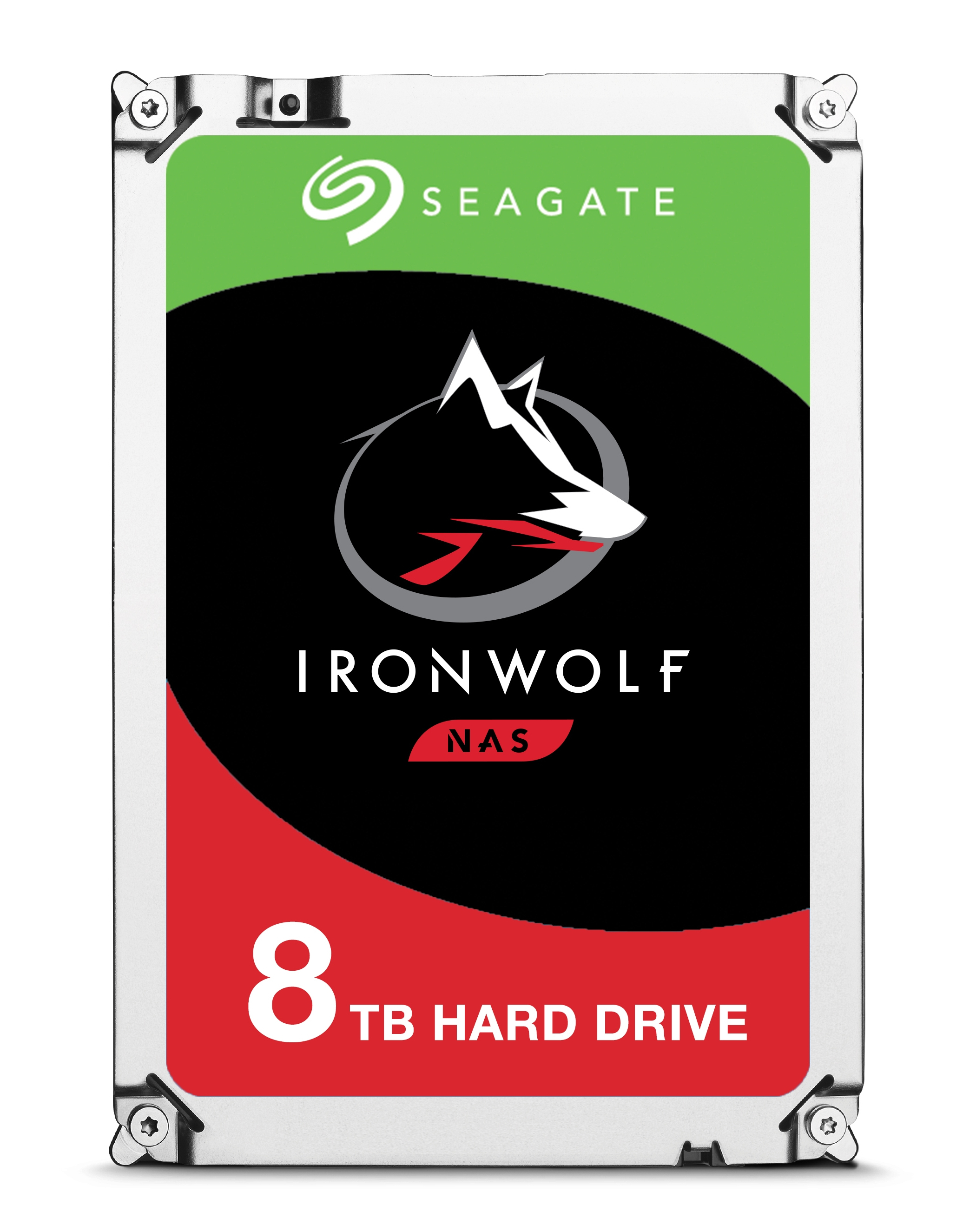
    Seagate Exos M 32TB 3.5" HDD 7200RPM SATA 6.0 Gb/s

    3.5 HDD · 32 TB

    ≈ €704est.
  • gpu

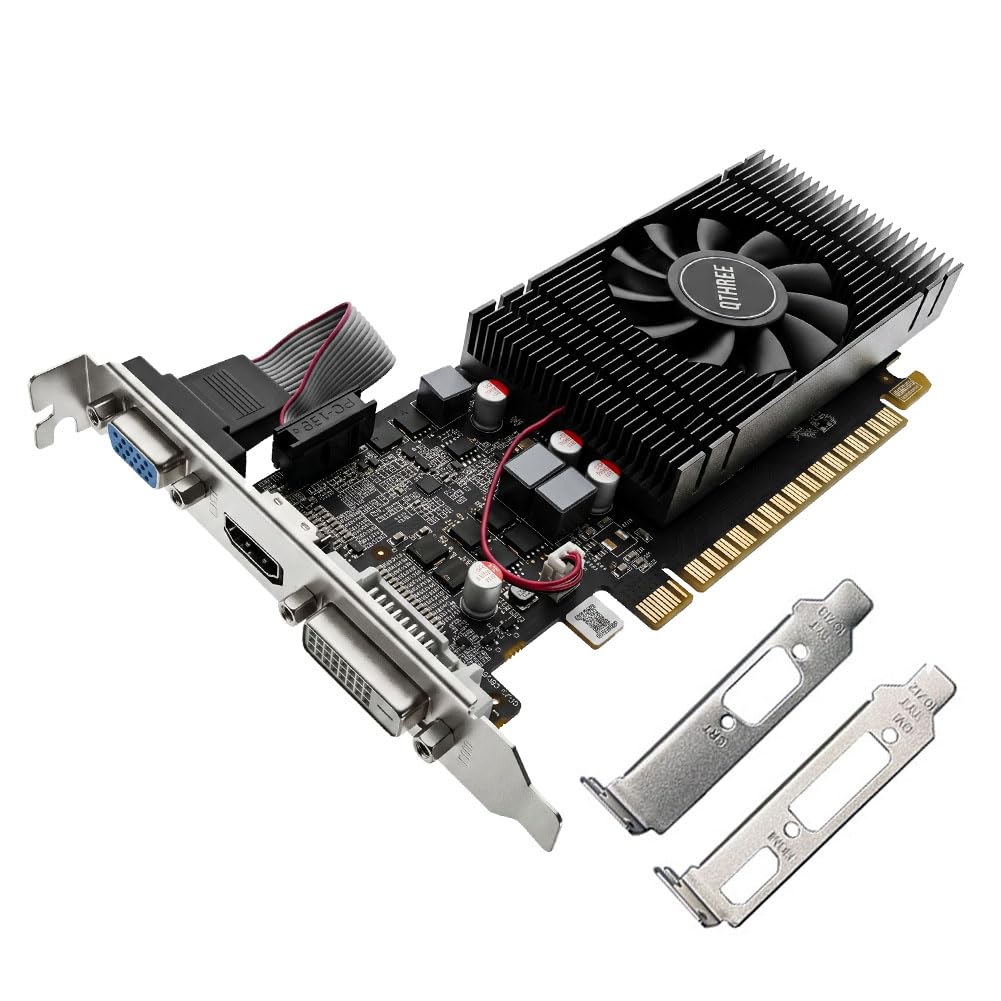
    MSI GeForce RTX 3050 Low Profile OC 6GB

    6 GB VRAM · 70 W · CUDA

    ≈ €248est.
Total≈ €1,689

WisePC may earn a commission from these links. It never changes the recommendation.

The verdict

Based on your goals you need roughly 8 CPU threads, 32GB RAM and 32TB of storage with dedicated GPU capability. This system runs 24/7, so energy matters. Recommended: the Value build — most for your money — 1689€ purchase, ~45W idle, ~251€/year energy (≈754€ over 3 years). Intel Core i3 14100F: 8 threads covers the 8 needed with headroom. Motherboard Intel B760 (LGA 1700): matches the CPU socket and case size. RAM: 64GB DDR4 — meets the 32GB the workload requires. MSI GeForce RTX 3050 Low Profile OC 6GB: 6GB VRAM selected for your dedicated GPU need. Chose Intel Core i3 14100F over AMD Ryzen 5 4500: better overall fit for your priorities. Build DNA: performance 85, value 79, efficiency 64, expandability 66, silence 95, longevity 97 — overall 79/100. Heads-up: Total (1689€) exceeds your budget (800€) by 889€ (111%). Ranking already prefers in-budget variants — this one is shown for comparison; check the value variant or raise the budget. This build may struggle with the stated workload. What limits you first: CPU. Alternatives: Smart build — best all-round — 2126€, DNA 90/100, balanced · Long-term build — expandable & future-proof — 2126€, DNA 90/100, balanced.

Why this build

  • Intel Core i3 14100F: 8 threads covers the 8 needed with headroom.
  • Motherboard Intel B760 (LGA 1700): matches the CPU socket and case size.
  • RAM: 64GB DDR4 — meets the 32GB the workload requires.
  • MSI GeForce RTX 3050 Low Profile OC 6GB: 6GB VRAM selected for your dedicated GPU need.
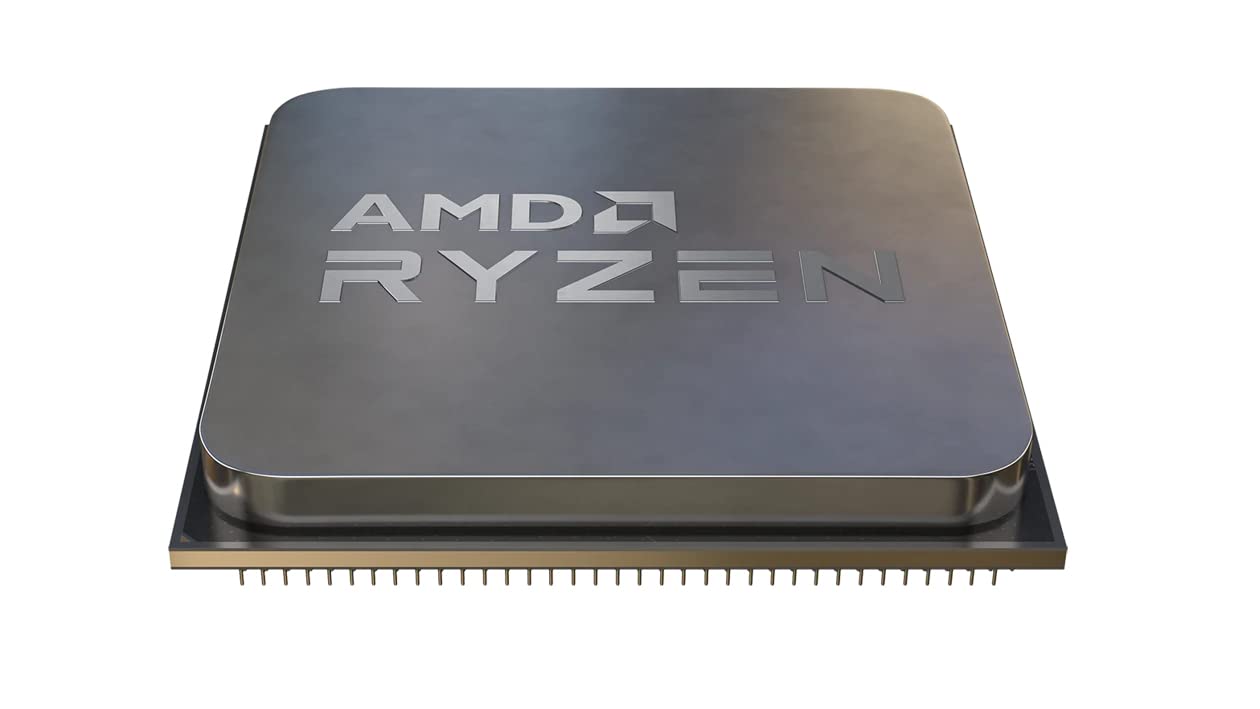
  • Chose Intel Core i3 14100F over AMD Ryzen 5 4500: better overall fit for your priorities.

Who should choose it

  • The lowest total price (1689€) that still covers this workload properly — best price/quality ratio.

Why not the alternative

  • Value build — most for your money beats "Smart build — best all-round" on performance -15, value +8, efficiency +14, expandability -30 — that is why it is recommended for your priorities.
  • Value build — most for your money beats "Long-term build — expandable & future-proof" on performance -15, value +8, efficiency +14, expandability -30 — that is why it is recommended for your priorities.

What it sacrifices

  • No ECC memory — fine for home use, less ideal for bit-rot-sensitive archives.
  • Expansion headroom is trimmed: parts are chosen for price per capability.

System blueprint

The system as a whole — before the shopping list.

diy · tower build on LGA 1700 + Intel B760

System blueprint

The system as a whole — before the shopping list.

Mission

  • NVR / camera recording· primary · 1 users
  • Camera recording· secondary · 1 users
  • Object detection· secondary · 1 users

Constraints

Budget
€800
Storage
16 TB (mirror)
Energy priority
4/10
Noise priority
3/10
Expansion priority
10/10

Recommended architecture

diy · tower build on LGA 1700 + Intel B760

Compute
Intel Core i3 14100F
Memory
Corsair Vengeance LPX Black DDR4-4000 CL18 64GB (2x32GB)
Storage
Rocket Q NVMe SSD, Seagate Exos M 32TB 3.5" HDD 7200RPM SATA 6.0 Gb/s
Networking
2.5G onboard
Cooling
Thermalright Le Grand Macho Air 159mm Fanless
Power
be quiet! Dark Power 13 Fully Modular ATX Power Supply - 1000 Watts ATX 3.1 - Black
Expansion
1× PCIe, 1× M.2, 3× SATA, 1 bay

What am I actually paying for?

We split your build into the performance you need, the performance you're buying, and the performance you're likely to use day-to-day. When the gap is wide, you're overbuying.

The build is tight on resources for the stated workload — it may struggle under load.

The build is tight on resources for the stated workload — it may struggle under load.

Performance I needPerformance I buyLikely to use
CPU threads884
RAMoverbuy326424
Storage324032
GPU VRAM464
Network2.5G1.0G1.0G

What this means

  • The build is tight on resources for the stated workload — it may struggle under load.

Scoring & Risk

An explainable future-proof score, the Homelab Risk Score, a final pre-purchase audit and what will become the limiting factor over time.

64Low risk3

Future-proof score

Balanced future-proofing

64

Balanced future-proofing (64/100) — it covers today's workload with some room, but one or two factors will push you to upgrade sooner.

Upgrade path75

DIY build — the CPU, motherboard and PSU can each be upgraded independently without replacing the whole system.

Expansion50

Expansion headroom: 1 PCIe slot(s), 1 M.2, 3 SATA, 1 drive bay(s), 0 RAM slot(s) free.

Storage growth70

Storage is 80% utilized with 1 free drive bay(s) and 3 free SATA port(s).

Memory growth20

0 RAM slot(s) free; memory is 50% utilized.

Networking80

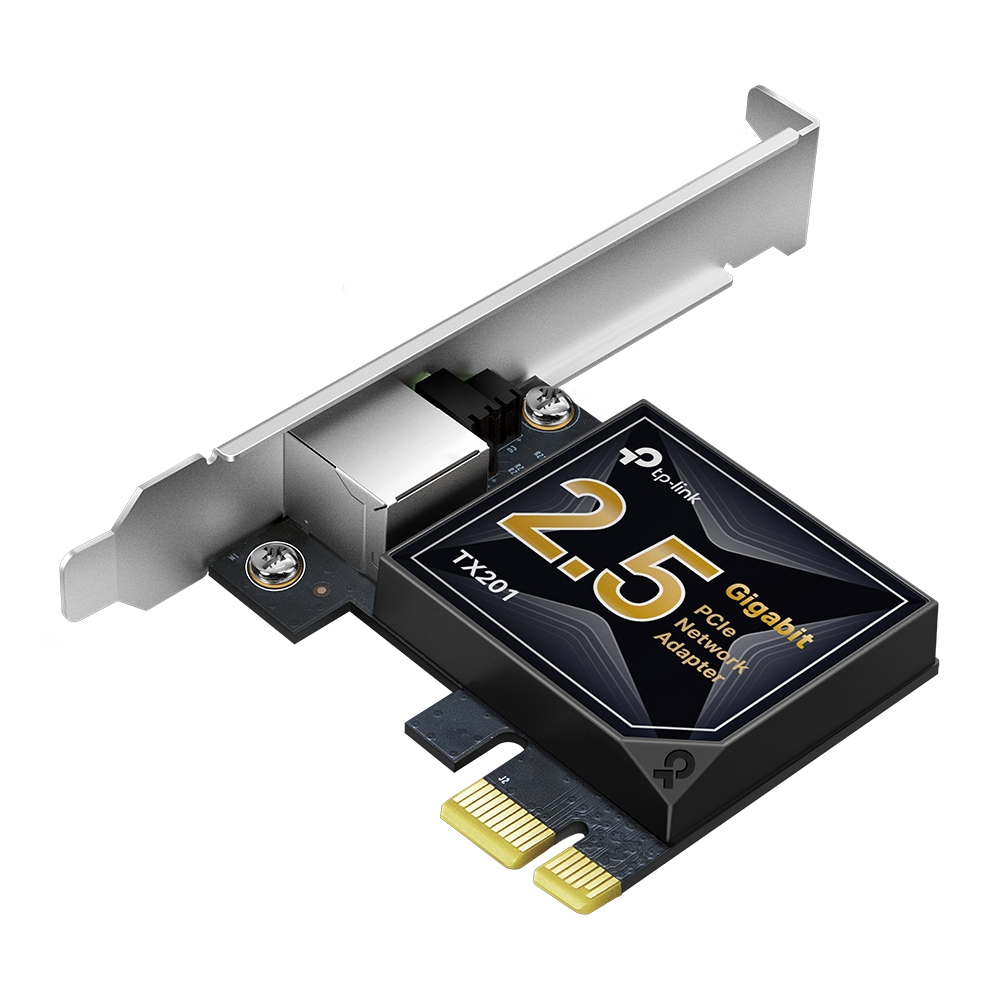
Networking is 2500 Mbps, and a free PCIe slot can add a faster NIC later.

Replacement ease90

ATX form factor with standard, socketed components — most parts are easy to replace.

Workload change65

A 6GB GPU is present — AI and transcoding workloads are covered.

Homelab Risk Score

Low risk

13

Low risk (13/100) — sensible redundancy and headroom; no single point of failure is exposed.

Single point of failure

Risk: low

Storage has redundancy (mirror) — a single drive failure does not take the array down.

Fix: Continue a 3-2-1 backup strategy; redundancy is not a backup.

Storage risk

Risk: medium

1 desktop hard drive(s) — not rated for 24/7 duty, vibration or heat; higher long-run failure risk.

Fix: For an always-on system, prefer NAS/CMR-rated drives; monitor SMART and replace before the warranty ends.

Data loss risk

Risk: low

Redundancy protects against drive failure, though it is not a substitute for backups.

Fix: Follow a 3-2-1 backup rule: at least one copy off the box.

Power risk

Risk: low

PSU is 1000W, peak load 172W (17%).

Fix: PSU sizing leaves healthy headroom for spikes and future parts.

Network risk

Risk: low

Single 2500 Mbps NIC — a switch/port failure takes the box fully offline, and multi-user media can saturate 2500 Mbps.

Fix: Consider a second NIC or a managed switch; for heavy media, plan for 2.5/10G before the build.

Expansion risk

Risk: low

1 PCIe, 1 M.2, 3 SATA, 1 bays free.

Fix: Healthy room for future drives, NICs and accelerators.

Upgrade risk

Risk: low

2024 platform — current generation with a forward-looking socket/feature set.

Fix: Buy for the workload, not the socket — upgrade paths are a bonus, not a guarantee.

Final build audit

Audit found 3 critical and 0 warning item(s) worth fixing before you buy.

3 Critical0 Warning1 Optimization2 Optional2 Future

Check the balance

Critical

Total (1689€) exceeds your budget (800€) by 889€ (111%). Ranking already prefers in-budget variants — this one is shown for comparison; check the value variant or raise the budget.

Action: Reconsider the config for the stated workload or budget before buying.

Category: balance

Check the balance

Critical

This build may struggle with the stated workload.

Action: Reconsider the config for the stated workload or budget before buying.

Category: balance

CPU close to the limit

Critical

The workload uses 100% of the CPU — little headroom for background tasks or growth.

Action: Consider a stronger CPU or drop a secondary workload.

Category: compute

Use NAS-rated drives

Optimization

Desktop drives in an always-on NAS/server role have higher long-run failure rates.

Action: Prefer NAS/CMR-rated drives for 24/7 duty.

Category: storage

Add a UPS

Optional

An always-on server holding data should survive power blips.

Action: Add an online/line-interactive UPS sized to the build's idle draw.

Category: power

Keep a backup off-box

Optional

Redundancy inside the box does not survive fire, theft or a whole-array fault.

Action: Mirror the important data to an external drive, a second box, or cloud.

Category: storage

Drive bays remain

Future

1 drive bay(s) free for future capacity.

Action: Expand capacity in pairs (mirror/parity) when needed.

Category: storage

PCIe slot available

Future

1 free PCIe slot(s) for a NIC, HBA or GPU later.

Action: Use it for a 10G NIC, extra HBA, or an accelerator when the need appears.

Category: expansion

What becomes the limit

Storage nearly full is the most likely thing to date this build within 1-2y.

Horizon: 1-2y

Storage nearly full

Why: 80% of raw capacity is already in use — media libraries and backups grow fast.

What to do: Expanding is easy: add a drive to the free bays/ports.

Horizon: 1-2y

CPU is the next bottleneck

Why: The CPU runs at 100% of capacity — new services or more users will hit the wall first.

What to do: Consider a stronger CPU within the same socket generation while it is still cheap.

What limits you first

CPU is the closest to its limit (100% of capacity in use) — it will likely force the next upgrade.

Smart next upgrades

  1. 1Upgrade cpu to Intel Core i5 13400F
  2. 2Upgrade gpu to Gigabyte TURBO GeForce RTX 2080 Ti 11GB GDDR6 Black / Silver
  3. 3Upgrade storage to Western Digital Purple Pro 12TB HDD 3.5" SATA
  4. 4Upgrade storage to Seagate Exos M 36TB 3.5" HDD 7200RPM SATA 6.0 Gb/s

Other builds to consider

Runner-up variants the engine generated for the same scenario — tap one to see its parts.

Smart build — best all-round

tower build on AM5 + AMD B850 · Idle 60 W · balanced

≈ €2,126

Idle
60 W
Typical
147 W
Energy / year
≈ €413
RoleComponentQtyPriceBuy
cpuAMD Ryzen 7 7700X3D1€457
motherboardASROCK B850M-X AM5 DDR5 MICRO ATX1€157
ramTEAMGROUP T-Create Expert Black / Gold DDR5-6400 CL32 48GB (2x24GB)1≈ €169
caseDeepcool CG530 ATX Mid Tower White with Tempered Glass1€115
coolingNoctua NH-P1 Air Fanless 158mm Silver1≈ €35
psube quiet! Dark Power 13 Fully Modular ATX Power Supply - 1000 Watts ATX 3.1 - Black1€63
storageRocket Q NVMe SSD1€122
storageSeagate Exos M 32TB 3.5" HDD 7200RPM SATA 6.0 Gb/s1≈ €704
gpuMSI GeForce RTX 5060 8G GAMING V11≈ €304
Total:≈ €2,126

Long-term build — expandable & future-proof

tower build on AM5 + AMD B850 · Idle 60 W · balanced

≈ €2,126

Idle
60 W
Typical
147 W
Energy / year
≈ €413
RoleComponentQtyPriceBuy
cpuAMD Ryzen 7 7700X3D1€457
motherboardASROCK B850M-X AM5 DDR5 MICRO ATX1€157
ramTEAMGROUP T-Create Expert Black / Gold DDR5-6400 CL32 48GB (2x24GB)1≈ €169
caseDeepcool CG530 ATX Mid Tower White with Tempered Glass1€115
coolingNoctua NH-P1 Air Fanless 158mm Silver1≈ €35
psube quiet! Dark Power 13 Fully Modular ATX Power Supply - 1000 Watts ATX 3.1 - Black1€63
storageRocket Q NVMe SSD1€122
storageSeagate Exos M 32TB 3.5" HDD 7200RPM SATA 6.0 Gb/s1≈ €704
gpuMSI GeForce RTX 5060 8G GAMING V11≈ €304
Total:≈ €2,126

Community

0 built it · 0 recommend it · 0 photos

Workload guides behind this build

Explore other builds