

Bester Server für 10 virtuelle Maschinen for Frankreich
Ein ausgewogener Virtualisierungsserver, der 10 VMs, Container und Testumgebungen bequem ausführt. Prices and availability for Frankreich.
Anforderungen vs. dieser Build
Bedarf · genutzt| CPU-Threads | 14 | 70% | OK |
|---|---|---|---|
| RAM | 96 GB | 75% | OK |
| Speicher | 3 TB | 63% | OK |
| GPU | Nicht nötig |
Verbrauch
- Nutzung
- 24/7
- Leerlauf
- 46 W
- Typisch
- 69 W
- Spitze
- 123 W
- Energie / Jahr
- ≈ €151
- Über 3 Jahre
- ≈ €452
Score
Warum diese Variante
Balances your priorities with a 1807€ price tag and a 46W idle draw.
- Not specialized: it does not push any single dimension (value, silence, expansion) to the extreme.
- Intel® Core™ i7 Desktop Processor 14700F 20 Cores (8 P-cores and 12 E-cores) up to 5.4 GHz: 20 cores / 28 threads covers the 14 cores needed with headroom.
- Motherboard Intel B760 (LGA 1700): matches the CPU socket and case size.
- RAM: 128GB DDR5,DDR4 — meets the 96GB the workload requires.
- All variants are close; the winner matches your priorities best.
Vor dem Kauf
1 kritisch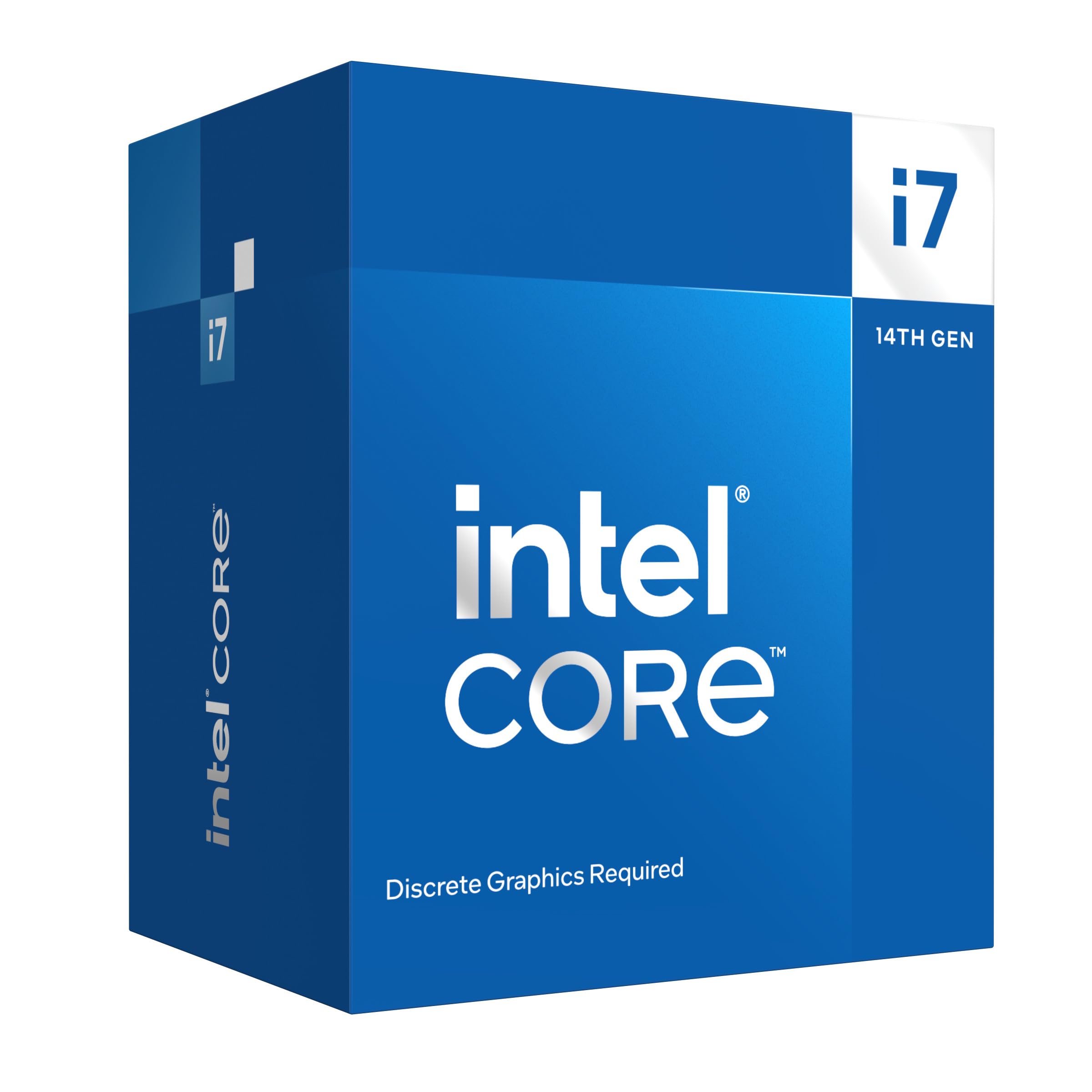 cpuIntel® Core™ i7 Desktop Processor 14700F 20 Cores (8 P-cores and 12 E-cores) up to 5.4 GHz20C/28T · 5.4 GHz · LGA 1700 · 65 WAlternativen & Tausch€317Preise werden gesucht…
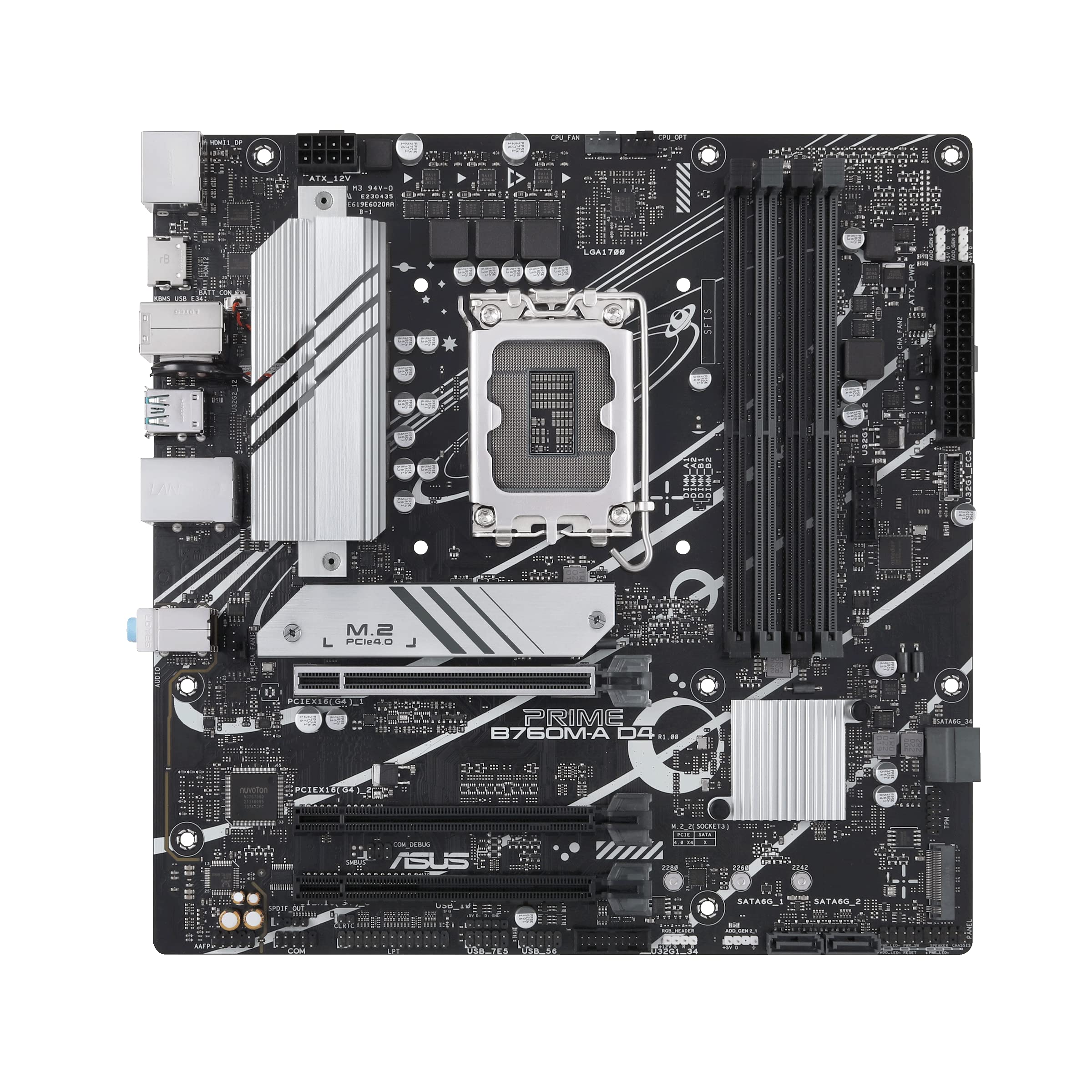 €113Preise werden gesucht…
 ramG.Skill Trident Z Royal Silver DDR4-3200 CL14 128GB (4x32GB)128 GB DDR4 · 3200 MT/sAlternativen & Tausch≈ €883Preise werden gesucht…
 €27Preise werden gesucht…
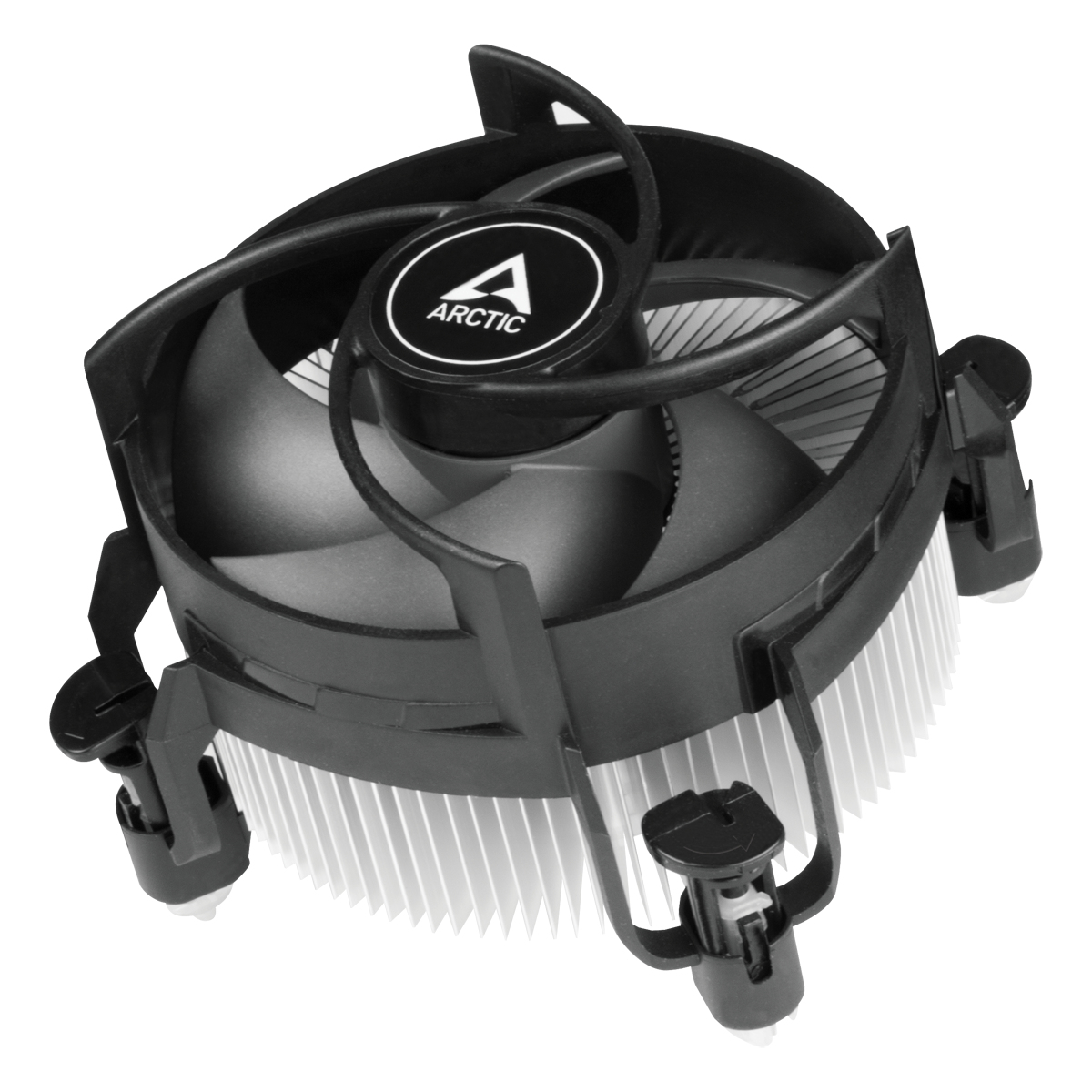 €8Preise werden gesucht…
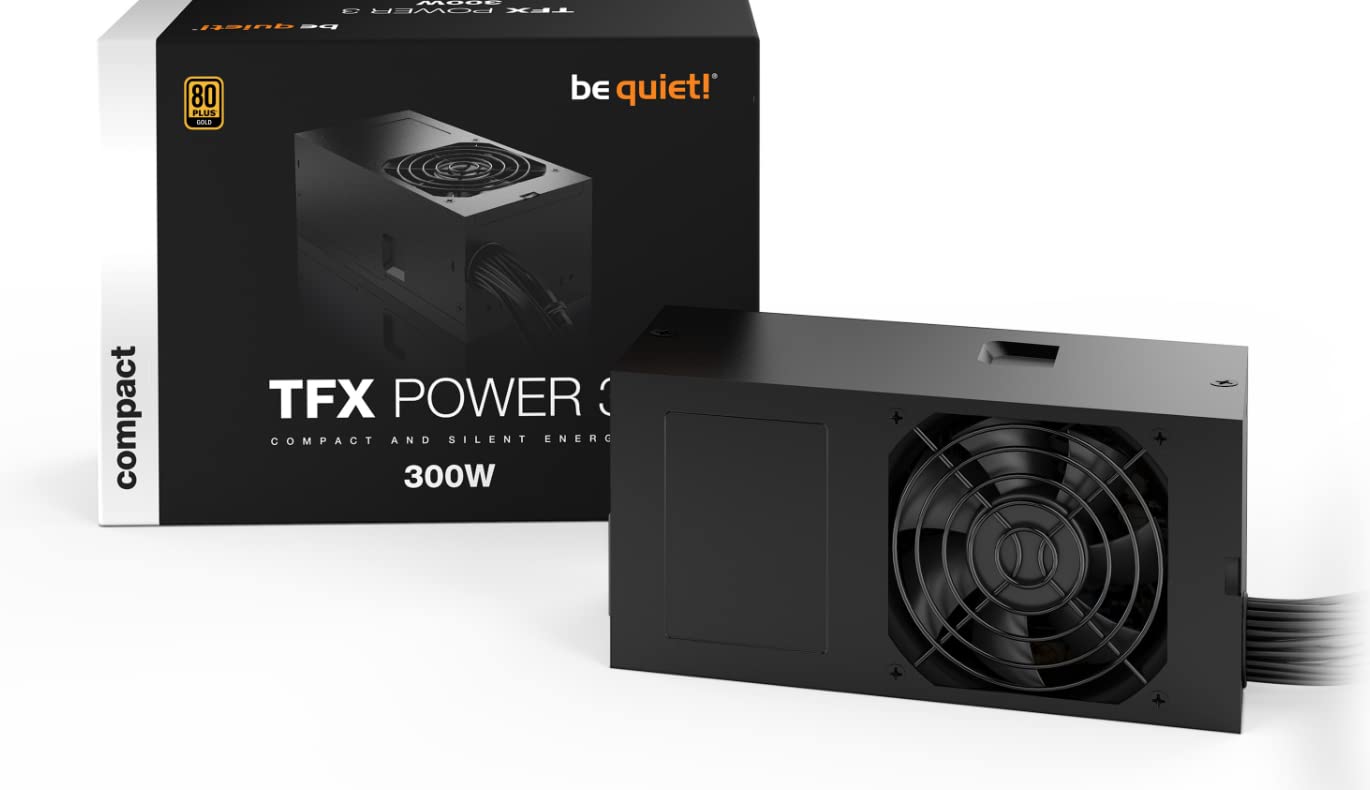 psube quiet! TFX Power 3 Black TFX 300W Non-Modular 80+ Gold Certified300 W · goldAlternativen & Tausch€45Preise werden gesucht…
 storageWestern Digital WD Blue SN5000 4TB SSD M.2-2280 PCIe 4.0 x4 NVMeNVME · 4 TBAlternativen & Tausch€414Preise werden gesucht…
Zukunftssicherheits-Score
Ausgewogene Zukunftssicherheit69/100
Balanced future-proofing (69/100) — it covers today's workload with some room, but one or two factors will push you to upgrade sooner.
DIY build — the CPU, motherboard and PSU can each be upgraded independently without replacing the whole system.
Expansion headroom: 2 PCIe slot(s), 1 M.2, 4 SATA, 1 drive bay(s), 0 RAM slot(s) free.
Storage is 63% utilized with 1 free drive bay(s) and 4 free SATA port(s).
0 RAM slot(s) free; memory is 75% utilized.
Networking is 2500 Mbps, and a free PCIe slot can add a faster NIC later.
MATX form factor with standard, socketed components — most parts are easy to replace.
No GPU, but there is room (2 PCIe slot(s), PSU headroom 2.4x) to add one for AI/transcoding.
Homelab-Risiko-Score
Mäßiges Risiko37/100
Moderate risk (37/100) — a few items are worth fixing before you commit (see checklist).
Finaler Build-Audit
Audit found 1 critical and 0 warning item(s) worth fixing before you buy.
Was zum Limit wird
RAM is maxed out is the most likely thing to date this build within 1-2y.
Was dich zuerst begrenzt
RAM is the closest to its limit (75% of capacity in use) — it will likely force the next upgrade.
- Add Microconnect MC-PCIEX4-X520-DA1 network card Internal Fiber 10000 Mbit/s
- Upgrade storage to Seagate EXOS Enterprise 16TB 3.5" HDD 7200RPM SATA 6.0 Gb/s
Mission
- Budget
- —
- Energiepriorität
- 5/10
- Lautstärkepriorität
- 3/10
- Erweiterungspriorität
- 5/10
Empfohlene Architektur
diy · tower build on LGA 1700 + Intel B760- Rechenleistung
- Intel® Core™ i7 Desktop Processor 14700F 20 Cores (8 P-cores and 12 E-cores) up to 5.4 GHz
- Speicher
- G.Skill Trident Z Royal Silver DDR4-3200 CL14 128GB (4x32GB)
- Speicher
- Western Digital WD Blue SN5000 4TB SSD M.2-2280 PCIe 4.0 x4 NVMe
- Netzwerk
- 2.5G onboard
- Kühlung
- ARCTIC Alpine 17 CO Air 77mm Black
- Netzteil
- be quiet! TFX Power 3 Black TFX 300W Non-Modular 80+ Gold Certified
- Erweiterung
- 2× PCIe, 1× M.2, 4× SATA, 1 bay


